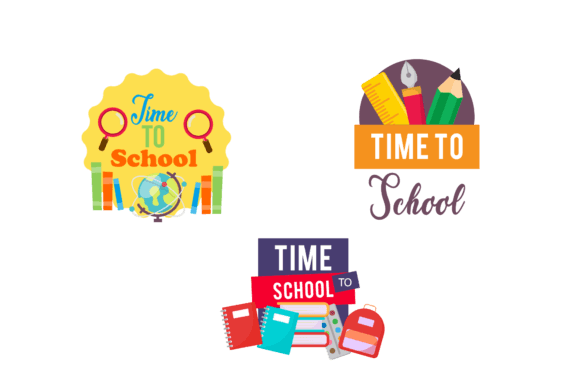
School Learning Graphics and Icons
As a designer working on a variety of client projects, I often find myself searching for high-quality design assets that can elevate a visual concept without overwhelming it. School Learning is one such graphic design asset that offers a unique blend of nostalgia and modern appeal. The first impression is clean, approachable, and visually cohesive—perfect for a wide range of creative design needs.
Mood and Visual Style
School Learning exudes a warm, educational vibe that feels both familiar and fresh. The visual elements are reminiscent of classroom materials, textbooks, and school supplies, but with a polished aesthetic that makes them suitable for professional use. This makes it ideal for small business branding, handmade businesses, or any project aiming to evoke a sense of learning, growth, or tradition.
The style is versatile enough to work in both digital and print formats, making it a valuable addition to a design bundle. Whether you're creating marketing visuals for an online course or designing packaging for a stationery brand, School Learning has the potential to enhance the overall look and feel of your project.
Real-World Design Applications
In real design situations, School Learning proves to be a reliable resource. For logo design, it can serve as a subtle background or decorative element that reinforces the brand’s theme. In brand identity projects, it can be used as a recurring motif across different touchpoints, from social media graphics to product labels.
When it comes to packaging design, School Learning can add a nostalgic touch that resonates with customers. It also works well in t-shirt design, mugs, and tote bags, where the visual elements can be scaled up or down depending on the application. For sticker design or printable wall art, the asset provides a consistent and recognizable visual language that supports the overall message of the project.
In editorial design and web design, School Learning can be used as a supporting element to break up text or add visual interest. It also fits well into Canva templates, Cricut projects, and other digital tools that cater to content creators and small business owners.
Best Use Cases
School Learning excels in large layout areas, such as hero graphics, product mockups, and themed collections. Its size and clarity make it perfect for campaign visuals, packaging details, and printable designs that require a strong visual presence. When used as a decorative accent, it adds depth and character without distracting from the main message.
This design asset is especially useful for seasonal campaigns, local events, or online product launches where a cohesive visual theme is essential. It can also serve as a foundation for a creative marketplace product, offering a ready-made solution for designers looking to streamline their workflow.
Cautionary Use Cases
While School Learning is a powerful tool, it should be used with care in certain scenarios. In small sizes, the details may become too faint or lose their impact. Crowded layouts can dilute its effectiveness, making it harder to maintain visual hierarchy. Complex backgrounds or low-contrast designs might cause the asset to blend in rather than stand out.
For minimalist branding or professional corporate materials, School Learning may feel too whimsical or informal. It’s important to consider the tone and audience of the project before incorporating it into the design.
Impact on Design Quality
School Learning contributes to readability, brand consistency, and emotional appeal. Its clean lines and structured layout help maintain a clear visual hierarchy, which is essential for effective communication. When used appropriately, it enhances the overall impression of a design project, making it feel more polished and professional.
From a branding perspective, it can reinforce the message of a small business or handmade brand, adding a layer of authenticity and trust. For audience engagement, its nostalgic charm can create a connection that resonates with users, especially those who have a personal history with school or education-related themes.
Practical Designer Notes
Before using School Learning for a client project, I recommend testing it in black and white to see how it holds up without color. Checking contrast on light and dark backgrounds is also crucial, as it can affect visibility and readability. Previewing the asset at various sizes helps ensure it remains legible and impactful across different applications.
Placing it on real mockups gives a better sense of how it will appear in the final product. Testing print quality is important for physical items like t-shirts or packaging. Reviewing the file formats—AI, EPS, SVG, and PNG—ensures compatibility with different design software and platforms.
If transparency is involved, inspecting the PNG design is essential. For SVG design, verifying editability ensures flexibility in future modifications. Comparing it with different font styles can help determine how well it complements the overall typography of the project.
Finally, always confirm the commercial license before using School Learning for a client or business project. This ensures that the asset can be legally used without any restrictions or issues down the line.
Conclusion
School Learning is a thoughtful and functional design asset that can support a wide range of creative projects. Whether you’re working on a handmade business, a small business branding initiative, or a digital product launch, this graphic design asset offers value and versatility. With proper consideration and testing, it can become a key component of your design toolkit, helping to bring your vision to life with confidence and clarity.