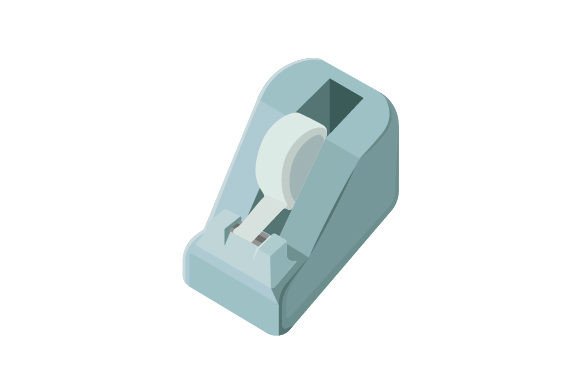
Adhesive Tape for Crafts and School Amp
As a brand designer, I often look for graphic design assets that can elevate a small business's visual identity without overwhelming it. Adhesive Tape is one such asset that offers versatility, charm, and a touch of creativity ideal for local business branding, product packaging, and promotional materials.
The First Impression: A Playful Yet Professional Mood
Adhesive Tape exudes a friendly and approachable vibe, making it perfect for handmade businesses, children’s products, or seasonal campaigns. Its design feels slightly whimsical yet polished, suggesting a brand personality that is both creative and reliable. This makes it a great fit for small business branding in the crafts and school amp categories, where visual appeal and functionality go hand in hand.
The design has a soft, decorative edge that can add warmth to any project. It doesn’t feel overly modern or rigid, which means it can blend well with rustic, organic, or playful brand identities. However, it also has enough structure to work in more refined settings, as long as it’s used thoughtfully.
Real-World Applications for Local Businesses
For a local bakery or coffee shop, Adhesive Tape could be used as a label on custom gift boxes or as part of a seasonal menu design. In a handmade soap or skincare brand, it could serve as a sticker on product packaging or as a decorative element on thank-you cards. For a boutique store or home decor shop, it might appear as a background element in social media graphics or as a highlight in product mockups.
In a food business context, Adhesive Tape could be used on labels for jars, bottles, or packaging inserts. As a digital product, it can be integrated into Canva templates, editorial design, or web design projects. Its SVG and PNG formats make it easy to scale and adapt for different uses, from large banners to small stickers.
Supporting Business Presentation and Brand Identity
When used effectively, Adhesive Tape can strengthen a brand’s first impression by adding a unique visual element that stands out on shelves or online. It helps create a stronger product recognition, especially when paired with consistent color schemes and typography.
It also supports better visual hierarchy by acting as a subtle accent that draws attention without competing with key messaging. This is particularly useful in product labeling, where clarity and readability are essential. For small business branding, this kind of design asset can help build customer trust by presenting a more professional and cohesive look.
For a handmade business, Adhesive Tape can reinforce the artisanal quality of the product. It adds a tactile and visual element that complements the craftsmanship behind the item. When used in social media graphics or marketing visuals, it can create a more engaging and memorable brand presence.
Where Adhesive Tape Shines
Adhesive Tape works best as a product label, packaging accent, or hero graphic in promotional materials. It can be a standout element in seasonal packaging or a decorative addition to a boutique’s visual identity. As a printable design, it’s ideal for creating custom stickers, hang tags, or promotional banners.
It also excels in product mockups, where its visual texture can add depth and interest. For a social media campaign, it can serve as a background or overlay that enhances the overall aesthetic of the content. In a creative marketplace, it’s a valuable asset for designers looking to add a personal touch to their projects.
Where to Use It Carefully
While Adhesive Tape is versatile, it may not be the best choice for formal corporate branding or luxury minimalist designs. Its decorative nature can clash with clean, simple layouts that prioritize minimalism over embellishment.
It should also be used cautiously on very small labels or crowded product packaging, where it might become distracting. In areas where legal information or ingredient lists are required, it’s better to keep the design unobtrusive to maintain readability.
On low-contrast backgrounds, Adhesive Tape might not stand out as intended. It’s important to test it in real-world scenarios before finalizing any design. For commercial design projects, always confirm the licensing terms to ensure it can be used for client work or physical product sales.
Practical Designer Notes
Before finalizing Adhesive Tape for a project, I recommend testing it on real packaging mockups to see how it looks in different lighting and sizes. Check how it appears in black and white to ensure it still holds visual interest. Preview it on small labels to avoid overcomplicating the design.
Test it with your brand colors to see if it complements the existing palette. Compare it with competitor packaging to ensure it stands out while maintaining a cohesive look. Review the print quality to ensure the design translates well to physical materials.
Inspect the PNG transparency to make sure it blends seamlessly with other elements. If using the SVG design, check the editability to ensure it can be adjusted as needed. Test it beside different font styles—serif, sans serif, script, handwritten, and display—to see how it interacts with text.
Finally, always confirm the commercial license before using the asset for client work, business branding, or physical product sales. This ensures you’re using a trusted design asset that meets all legal and practical requirements.
Conclusion: A Versatile Asset for Creative Brands
Adhesive Tape is more than just a graphic design asset—it’s a tool that can enhance the visual storytelling of a local business. Whether you're working on a handmade product, a seasonal campaign, or a food label, it offers a creative way to elevate your brand identity and connect with customers.
For small business branding, product packaging, and promotional visuals, Adhesive Tape is a valuable addition to any designer’s toolkit. With thoughtful application, it can bring a fresh, engaging look to your next project.